
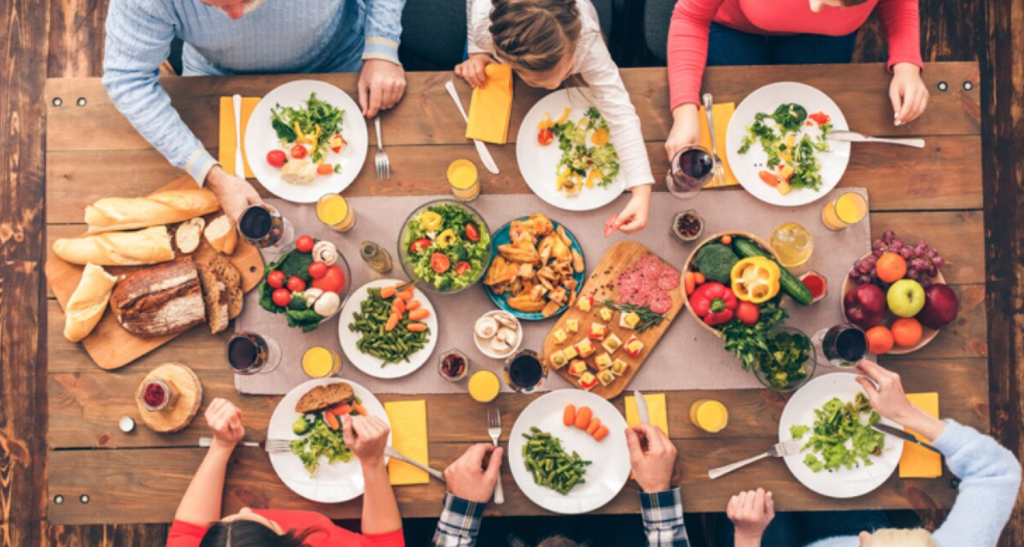
French food culture is often associated with fine dining, elegant restaurants, and complex recipes. However, everyday life in France tells a very different story. At its core, French food culture is about simplicity, rhythm, and respect for ingredients — la cuisine du quotidien.
In French households, meals are not rushed. Even a simple lunch is treated as a moment to pause, reconnect, and enjoy. This cultural approach to food shapes not only what people eat, but how they live.
The Importance of Daily Meals
In France, meals structure the day. Breakfast may be light, but lunch and dinner are considered essential moments. The concept of prendre le temps de manger — taking time to eat — is deeply rooted.
Rather than eating on the go, many people prefer sitting down, even for a modest meal. This habit encourages mindful eating and creates a healthier relationship with food.
Simple Ingredients, Thoughtful Choices
French home cooking rarely relies on heavy sauces or processed food. Instead, meals are built around:
- Seasonal vegetables
- Fresh bread (pain frais)
- Cheese (fromage)
- Simple proteins like eggs, chicken, or fish
The philosophy is clear: good ingredients do not need to be complicated. A bowl of lentils with herbs or a vegetable omelet can be just as satisfying as an elaborate dish.
The Role of Markets
Local markets, or marchés, are central to French food culture. Shopping at the market is not just about groceries — it is a social ritual. People talk to vendors, ask questions, and choose food based on freshness rather than branding.
This habit encourages awareness of where food comes from and reinforces a connection between producers and consumers.
Meals as Social Moments
In French culture, meals are shared experiences. Family dinners, long Sunday lunches, and casual gatherings with friends are common. Conversation is as important as the food itself.
The phrase à table signals more than just eating — it means slowing down and being present. This approach contrasts with fast-paced eating habits found elsewhere.
Portion Control Without Counting
Interestingly, French eating habits rarely involve calorie counting. Portions tend to be moderate, and meals are balanced naturally. Dessert may be enjoyed, but often in small portions, such as yogurt or fruit.
This balance reflects a cultural understanding that enjoyment and moderation can coexist — le plaisir sans excès.
Influence on Lifestyle
Because meals are intentional, they influence daily routines. People plan their day around food, not the other way around. This reduces stress and promotes consistency.
Eating well becomes part of daily life rather than a special event.
Final Thoughts
French food culture is not about perfection or luxury. It is about rhythm, respect, and enjoyment. By embracing simple meals and mindful habits, anyone can bring a touch of l’art de vivre français into everyday life.
Leave a Reply